Where Are We Again? Writing the Narrative Remap

Fall 2026
Winter Break Loading ... 18%

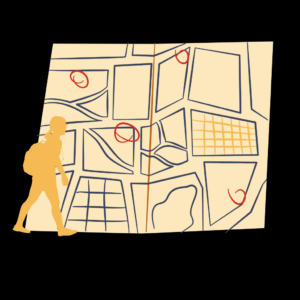
We are each knowledgeable sources of information about the way the world works for and against us. Your lived experiences are vital forces influencing where we take our class this semester, and I encourage you to leverage this expertise in our class discussions. Just as successfully navigating a map does not necessarily require residency in the place depicted, generative literary readings do not depend on a habitual familiarity with the society that produced a text. In other words, being a 21st-century reader does not prevent you from grounding yourself in 17th/18th-century literary objects and figuring out how they work rhetorically. While our specific culture is different than those authors of the primary texts, we are both concerned with questions about the ethics of representation and methods of challenging / affirming / innovating cultural models for living expressed therein. 

Throughout this class we will be thinking about forms of orientation – to a map, diary, novella, satire, and critical writing – as mixed processes of wayfinding. 

Wayfinding is the strategy of superimposing familiar cognitive maps and systems of signs onto an unknown space that we take up in order to familiarize ourselves with it.

For example, wayfinding is a method we shared in traveling to this classroom today!

Whether you are an Atlanta native, scoped out your schedule last week, or just flew in yesterday, we all navigated the unfamiliarity of this location by identification and pattern recognition.

Thinking in and through any space requires that we know where we are, remember where we’ve been, and connect/revise/create our movements in new ways.

Wayfinding is a multimodal experience with many forms of expression. During this course, we will think reflexively about literary relationships to spatial orientation and how wayfinding might help us further understand and develop our writing processes.
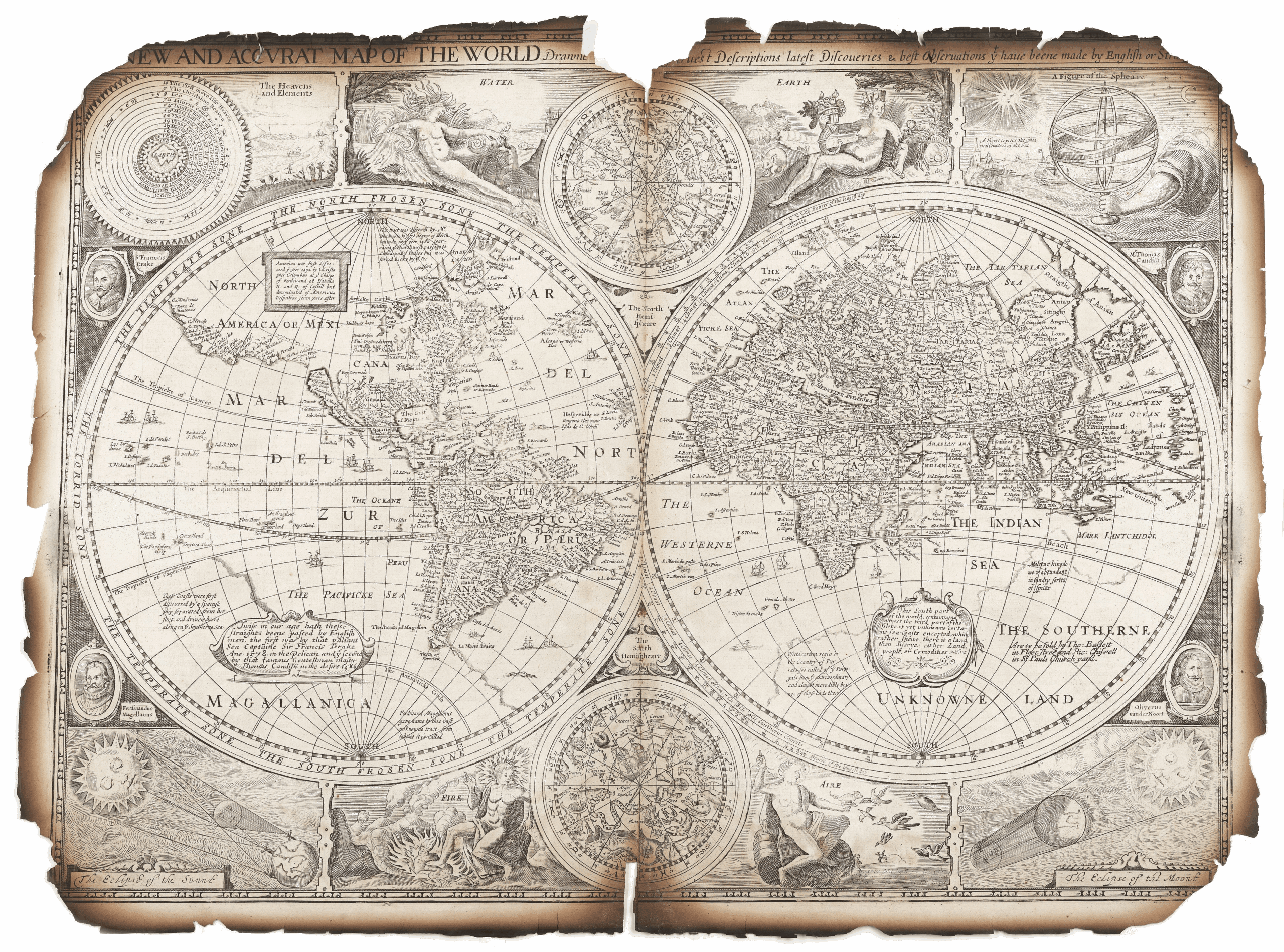
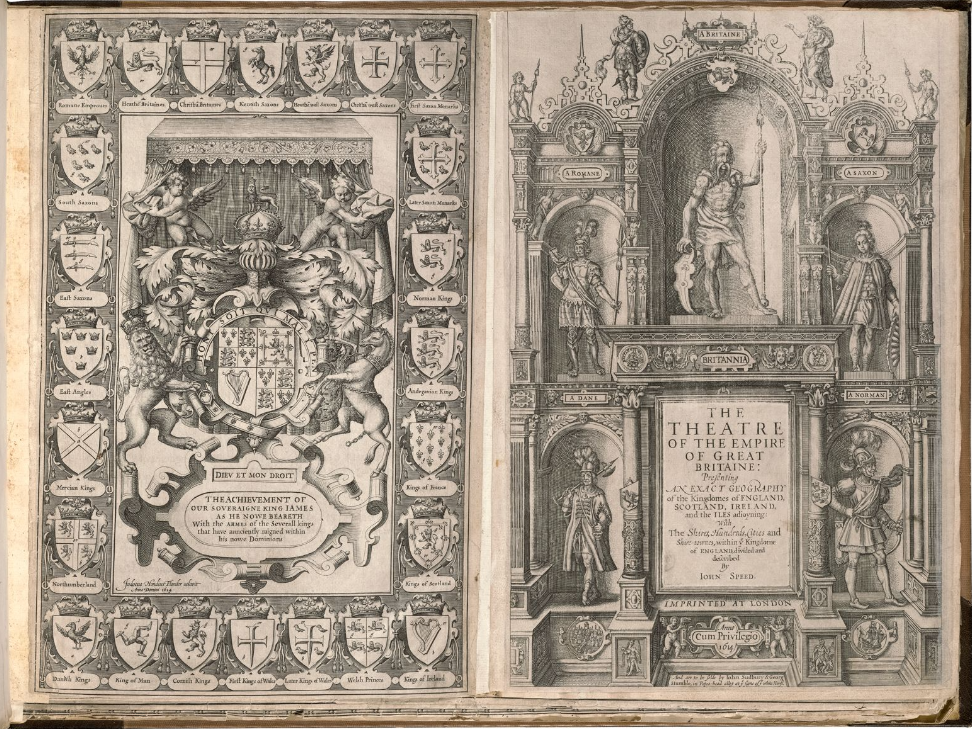
Instruction in rhetorical literacy and writing across a variety of cultural genres. Students will work in community to learn the elements of argument and experiment with multiple configurations of their writing process through in-class workshops. Students will leave the course with a strong foundation in persuasive writing for academic audiences on a variety of topics. 

We will hone our craft by tending to the development of the following written communication skills:

  • critical voice
  • reading/writing positionality
  • “crowd work” (minding the audience)
  • multimedia argumentation
  • intertextual writing (integrating/paraphrasing quotes)
  • close reading

We will also strengthen our planning competencies in the following areas:

  • time management
  • managing personal writing environments
  • annotating techniques
  • research methods
  • drafting strategies
  • and writing materials and mediums.